


Flooded Basement
A flooded basement is one of the most stressful moisture problems a homeowner can face. Even a small amount of water can lead to property damage, mold concerns, and long term issues if the source is not addressed.
Why a Flooded Basement Matters
Basement flooding can damage flooring, walls, stored belongings, and the structure itself. Even if the space is unfinished, repeated water intrusion can lead to mold, mildew, and ongoing moisture problems that affect the rest of the home.
- Water can cause expensive property damage quickly
- Moisture can contribute to mold and musty odors
- Ongoing flooding can affect the basement long term
A flooded basement is not just an inconvenience. It is a warning sign that water is finding its way into the home and should be taken seriously.
What Causes a Flooded Basement
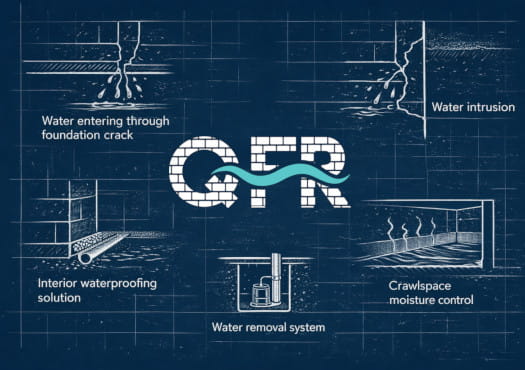
There are several possible causes of basement flooding. Clogged gutters, short downspouts, foundation cracks, drainage problems, and rising water pressure around the home can all contribute to water entering the basement. The exact cause can vary from one property to another.
Common Signs
Water Entry After Rain
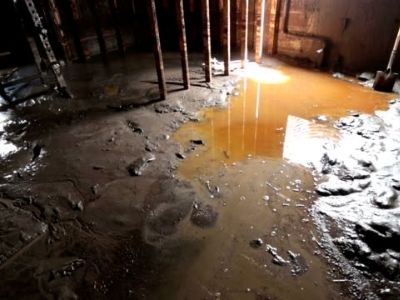
One of the most common warning signs is water entering the basement after a storm or heavy rain. This may show up as standing water, damp corners, wall seepage, or wet floor areas. In some cases, the water may only appear in certain spots or during heavier storms, which can make it easy to overlook at first. Even if the water eventually dries up, repeated entry usually points to a larger moisture problem that should be addressed. Over time, this type of recurring moisture can lead to musty odors, material damage, and conditions that allow mold or mildew to develop.
Other Signs You May Be Dealing With a Flooded Basement Issue
Standing Water
Visible water in the basement is the clearest sign of a flooding problem.
Damp Corners
Wet corners may suggest seepage after rain or snowmelt.
Wall Seepage
Water marks or damp walls can point to moisture intrusion.
Musty Odors
Persistent odors often follow repeated water entry and humidity.
Mold Concerns
Flooding creates the conditions where mold and mildew can grow.
Foundation Cracks
Cracks in walls or floors may allow water to enter more easily.
Overflowing Gutters
Water collecting near the home can increase basement flood risk.
Short Downspouts
Downspouts that end too close can direct water toward the foundation.
How Flooded Basements Are Commonly Addressed
Solutions depend on the source of the water. In some cases, improving water control outside the home can help. In others, basement waterproofing systems, sump pumps, or interior moisture control may be needed to help keep the space dry and reduce the chance of repeated flooding.
- Gutters and downspouts may need attention
- Waterproofing systems can help control water intrusion
- Sump pumps may help remove collected water
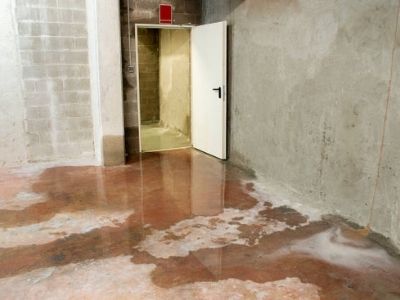
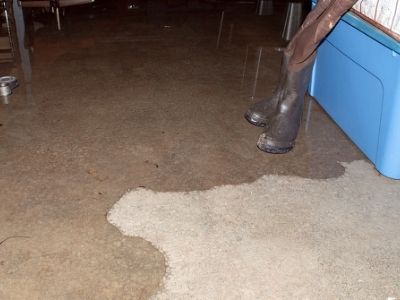
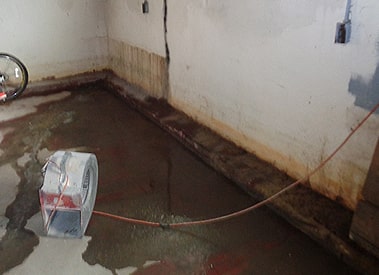
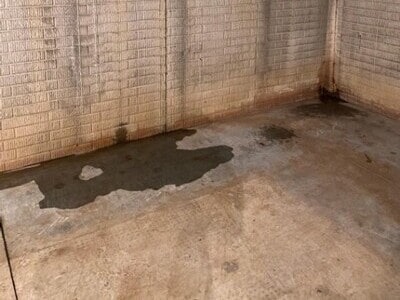
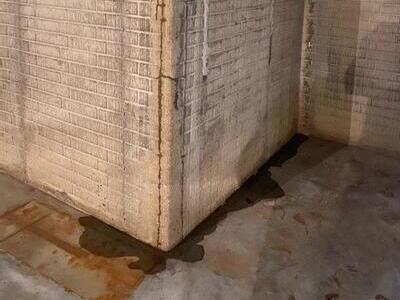
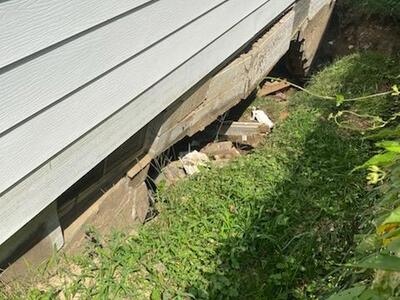
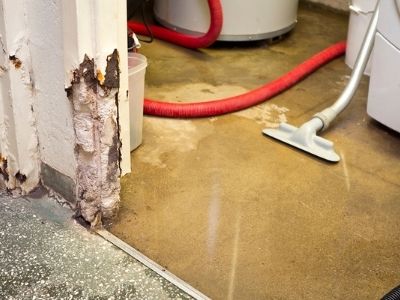
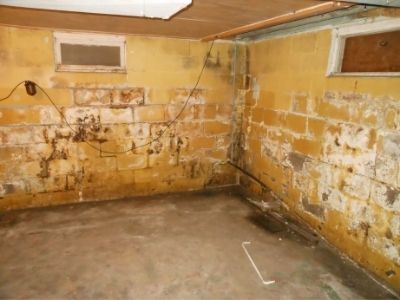
Flooded Basement Photos
Dealing With Basement Flooding?
Book a free estimate and get a better understanding of what may be causing the water problem and what options may help keep your basement drier.
Book Your Free Estimate