


What to Do If Your Basement Floods
Basement flooding can happen during heavy rain, rapid snowmelt, sewer backup, or unexpected water intrusion. Knowing what to do first can help protect your safety, reduce damage, and limit long term moisture problems.
Act Fast and Stay Safe
When a basement floods, the first priority is safety. Water in the basement can create electrical hazards, damage belongings, and leave behind excess moisture that lingers long after the standing water is gone. Acting in the right order can help reduce damage and make cleanup more manageable.
- Floodwater can create dangerous electrical conditions
- Wet materials can trap moisture and support mold growth
- Fast cleanup helps reduce long term damage and odors
Even if your basement has never flooded before, it can still happen during heavy rain, fast snowmelt, or other unexpected water events.
Why Basements Flood
Basement flooding can be caused by seepage through walls or floors, surface water collecting around the foundation, or sewer related backup. Because every home is different, it is important to understand both where the water came from and what may help prevent it from happening again.
First Step
Turn Off Electricity Before Entering
Before going into a flooded basement, turn off the electricity to the home if it is safe to do so. Water and electricity are a dangerous combination, so this should always come first. Use a battery operated flashlight rather than relying on anything plugged in.
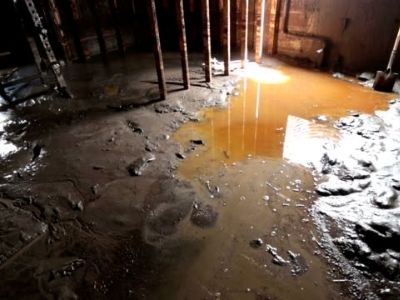
What to Do Next
Pump Water Out Carefully
Remove standing water slowly and safely, especially if the water is deep.
Remove Wet Items
Move furniture, boxes, and belongings to a dry area right away.
Clean Surfaces
Scrub unfinished walls and floors to remove dirt, residue, and grime.
Remove Wet Materials
Cut out wet drywall and remove soaked insulation from finished areas.
Pull Up Carpet Padding
Padding holds water like a sponge and usually needs to be replaced.
Get Air Moving
Use fans or blowers close to the floor to speed up drying.
Run a Dehumidifier
Keep a dehumidifier running to pull excess moisture from the air.
Watch for Mold
Check for musty odors or visible mold as the basement begins drying.
Call a Professional
Cleaning up the water does not fix the cause of the flooding. Even one flood can point to drainage issues, hydrostatic pressure, sump pump failure, or foundation related moisture problems. That is why it is a smart idea to have the basement inspected by a professional.
Quality Foundation Repair can help identify where the water came from and what long term solution may help reduce the risk of future flooding, whether that involves drainage control, waterproofing, sump pump improvements, or foundation related repairs.
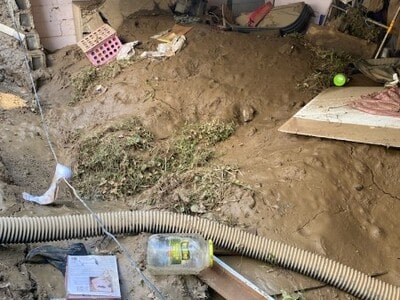
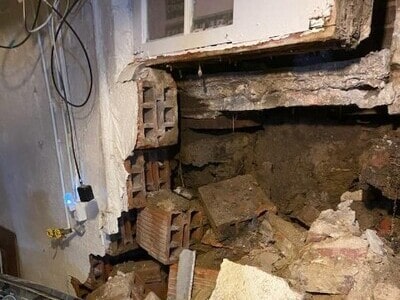
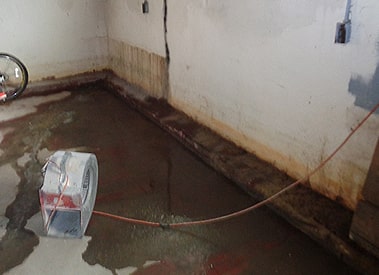
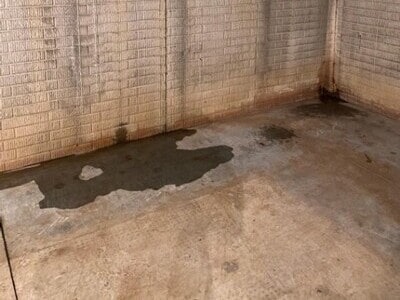
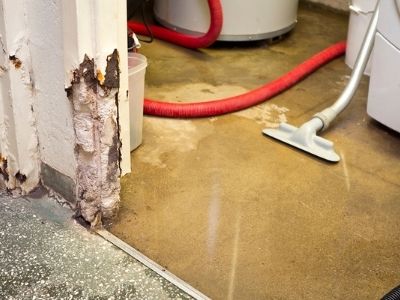
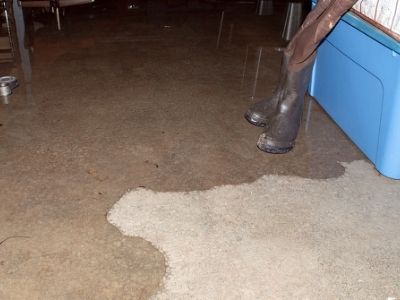
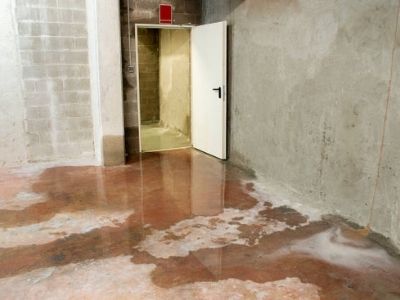
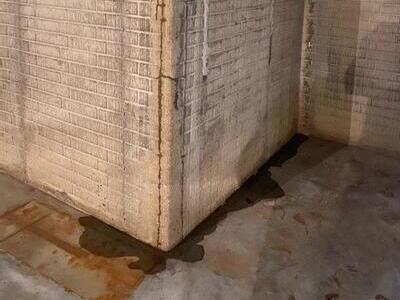
Flooded Basement Photos
Need Help After a Basement Flood?
Book a free estimate and get a better understanding of what may have caused the flooding and what water control solution may help protect your basement moving forward.
Book Your Free Estimate