

Bowing Foundation Walls
Bowing foundation walls are a common structural problem caused by outside pressure pushing inward over time. If a basement wall is starting to lean, bulge, or crack, it is usually a sign that the wall is under stress and should not be ignored.
Why Bowing Walls Matter
When a foundation wall starts to bow inward, the problem usually continues to worsen with time. What may begin as minor movement or cracking can develop into a more serious structural concern if the pressure causing the wall to shift is left unaddressed.
- Wall movement can increase over time
- Cracks may widen as pressure continues
- Structural concerns can become more costly later
A bowing wall is more than a cosmetic issue. It is often a sign that the foundation is under stress and should be evaluated before the condition becomes more severe.
What Causes Bowing Foundation Walls
Outside soil pressure is one of the most common causes of bowed basement walls. When soil around the home becomes saturated, expands, or places too much force on the wall, the structure may begin to lean inward. Poor drainage, inadequate waterproofing, and weak wall design can also contribute to the problem.
Common Signs
Inward Movement and Horizontal Cracking
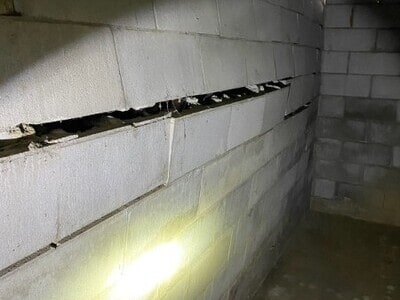
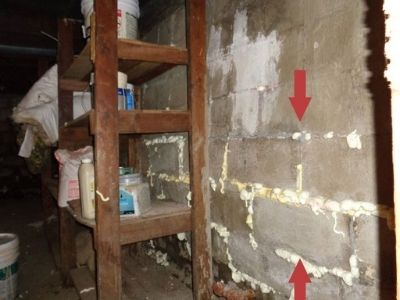
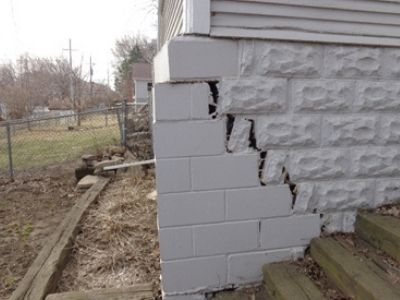
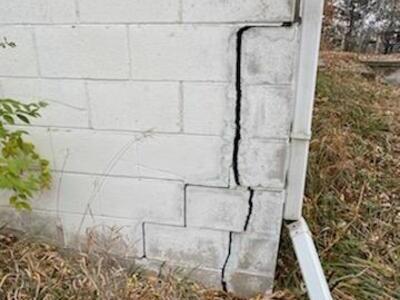
One of the clearest warning signs of a bowing wall is visible inward movement, especially when it is paired with horizontal cracking or bulging through the center of the wall. These signs often indicate that pressure from the outside is already affecting the wall’s ability to remain stable.
Other Signs You May Be Dealing With a Bowing Wall
Horizontal Cracks
Cracks running across the wall often point to outside pressure.
Wall Bulging
A wall that curves inward is a major sign of movement.
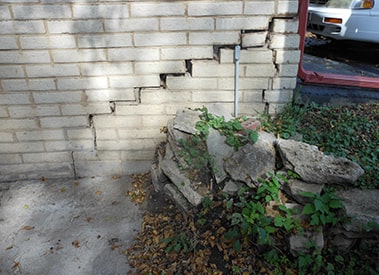
Stair Step Cracks
Cracks through block joints may signal structural stress.
Leaning Basement Walls
Visible inward lean suggests the wall is no longer straight.
Moisture Pressure
Wet soil around the home can increase pressure on the wall.
Worsening Movement
Changes over time often mean the condition is progressing.
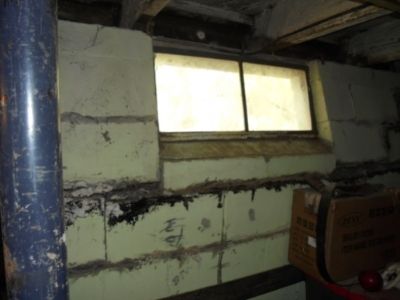
Wall Separation
Gaps near framing or ceiling lines can reflect movement.
Structural Concern
Any visible bowing is worth taking a closer look at.
How Bowing Walls Are Commonly Addressed
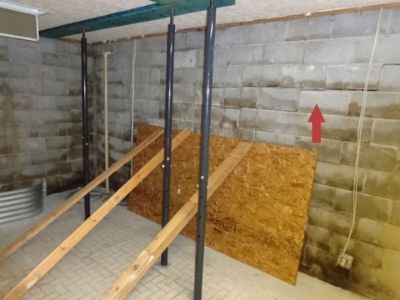
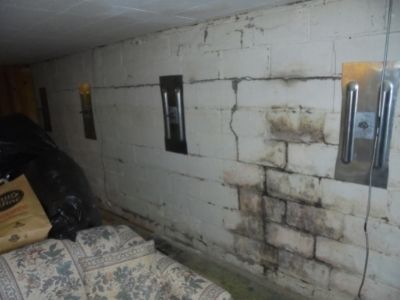
There are different ways bowed basement walls may be stabilized depending on how much movement has occurred and what is causing the pressure. Foundation wall anchors are one common method used to help resist further inward movement and improve stability over time.
Bowing Wall Photos
Seeing Signs of a Bowing Wall?
Book a free estimate and get a better understanding of what may be causing the movement and what steps may be worth considering next.
Book Your Free Estimate